Orthopaedic
Joints, bone and soft tissue, from a sprained ankle to a replaced knee.
Sixteen years of practice, five therapists, and a plan you can follow at home. Every session starts with a measurement.
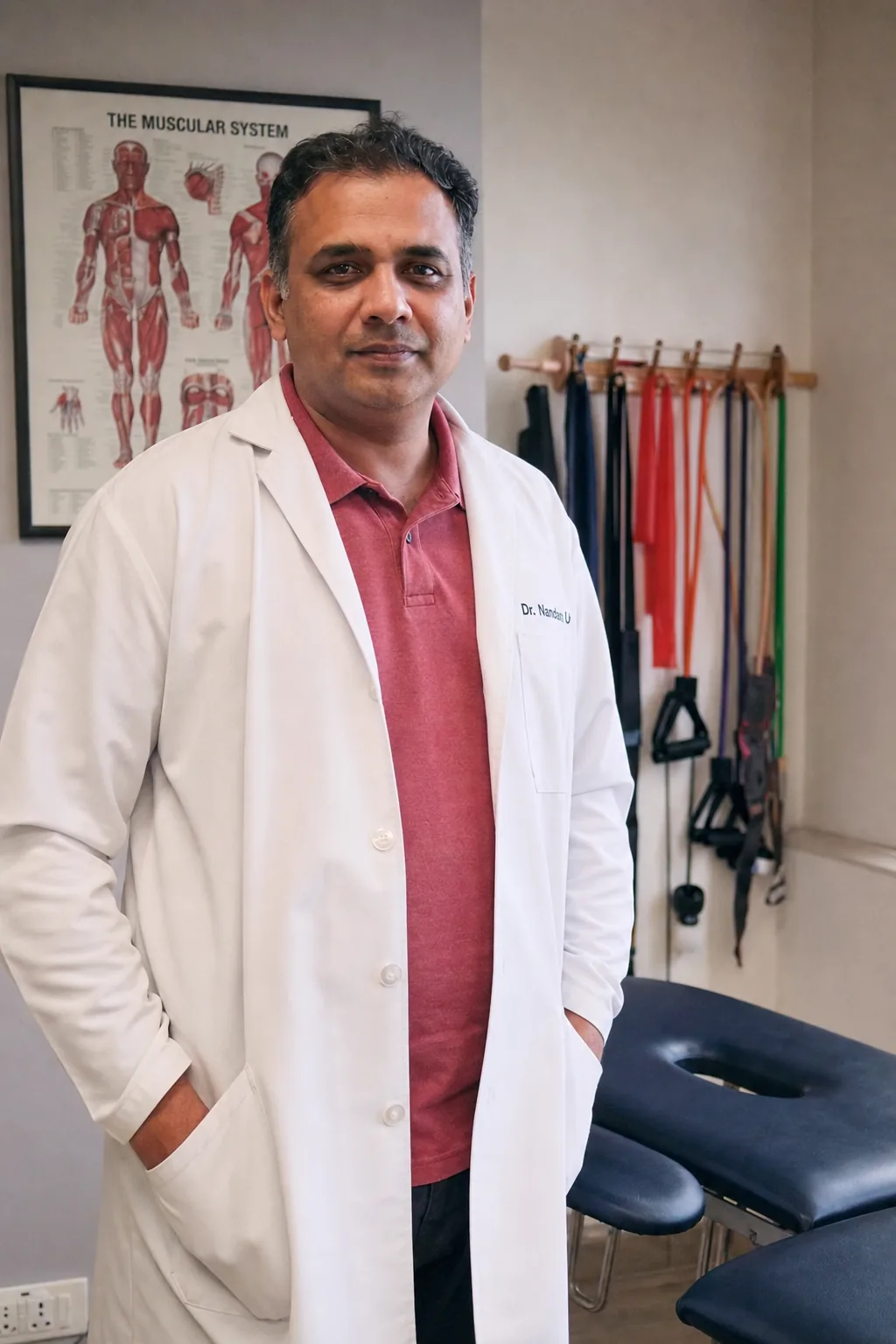
BPT, MPT (Musculoskeletal and Sports Physiotherapy)
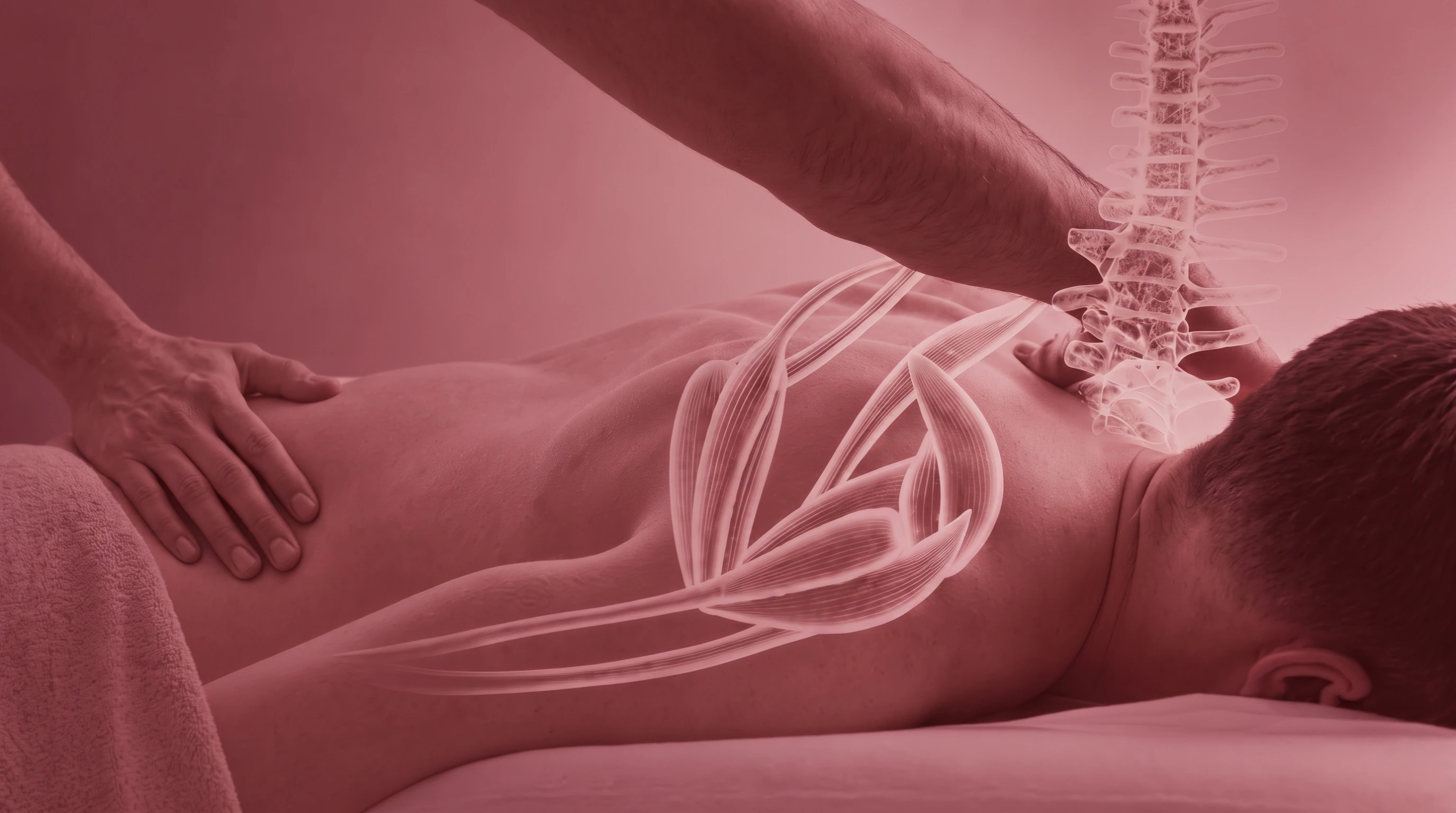
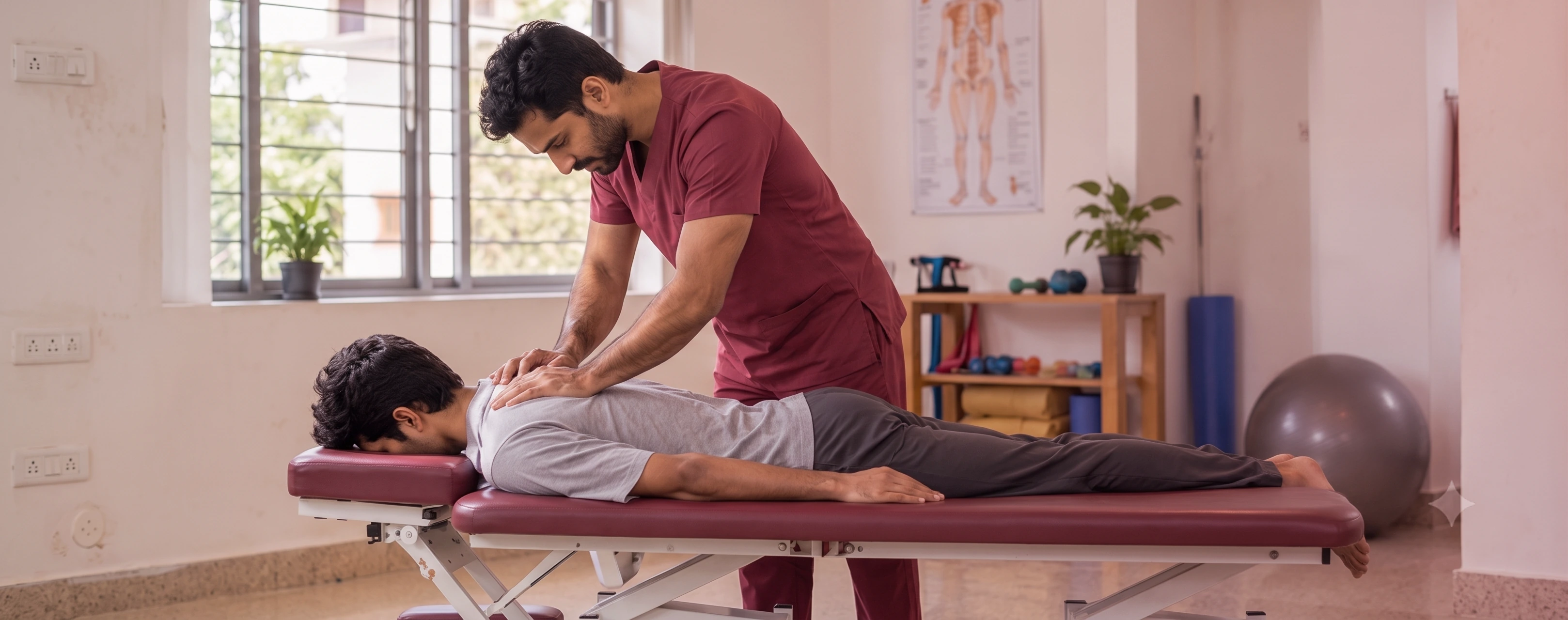
I trained in Manipal and came back to Mysuru in 2010. Most people who walk in here have already been told to rest and take a tablet, and it has not worked. So the first forty minutes are mine. I measure the joint, watch you move, and tell you what I found before anyone touches a machine.
No treatment starts until the assessment is written down.
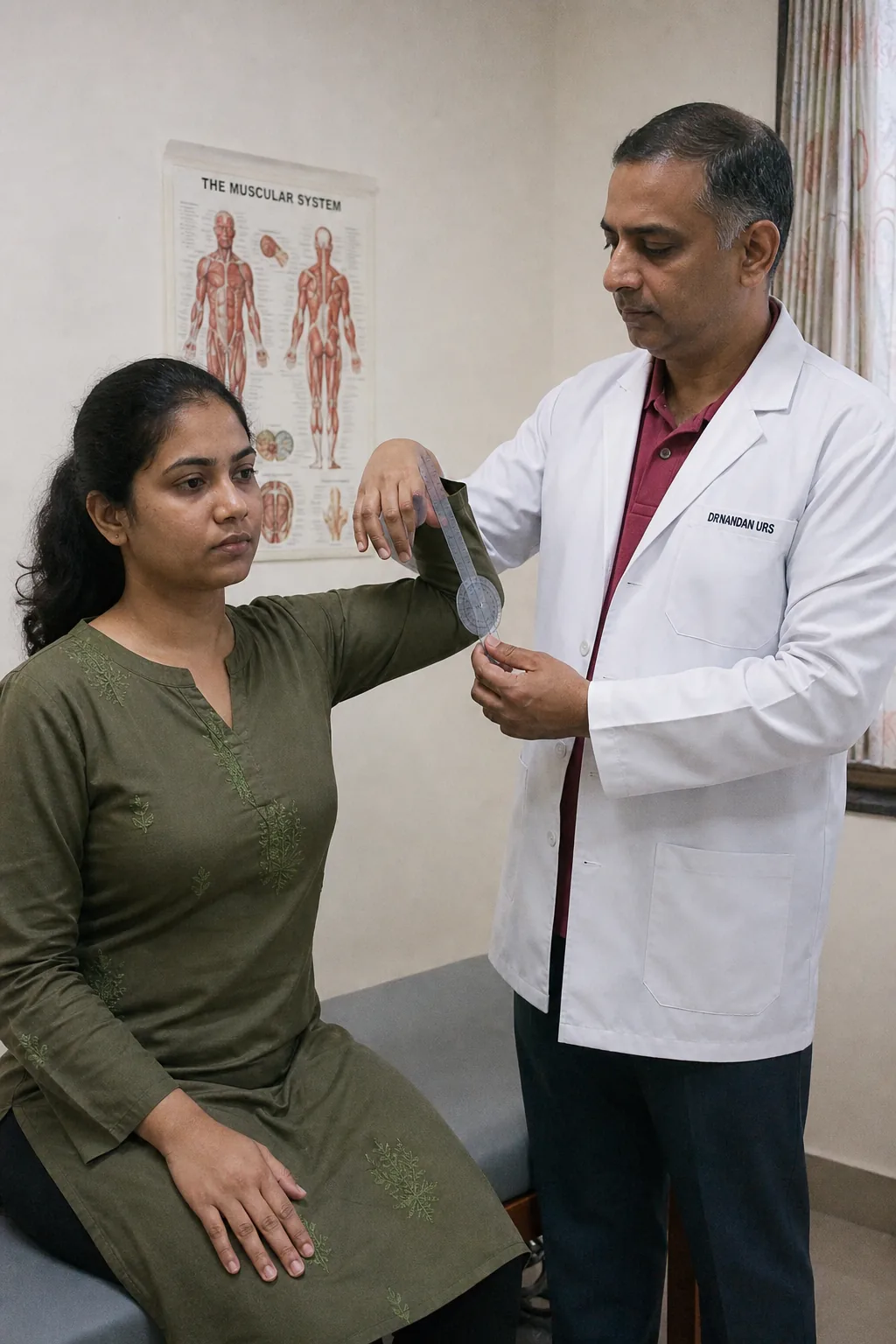
Joints, bone and soft tissue, from a sprained ankle to a replaced knee.
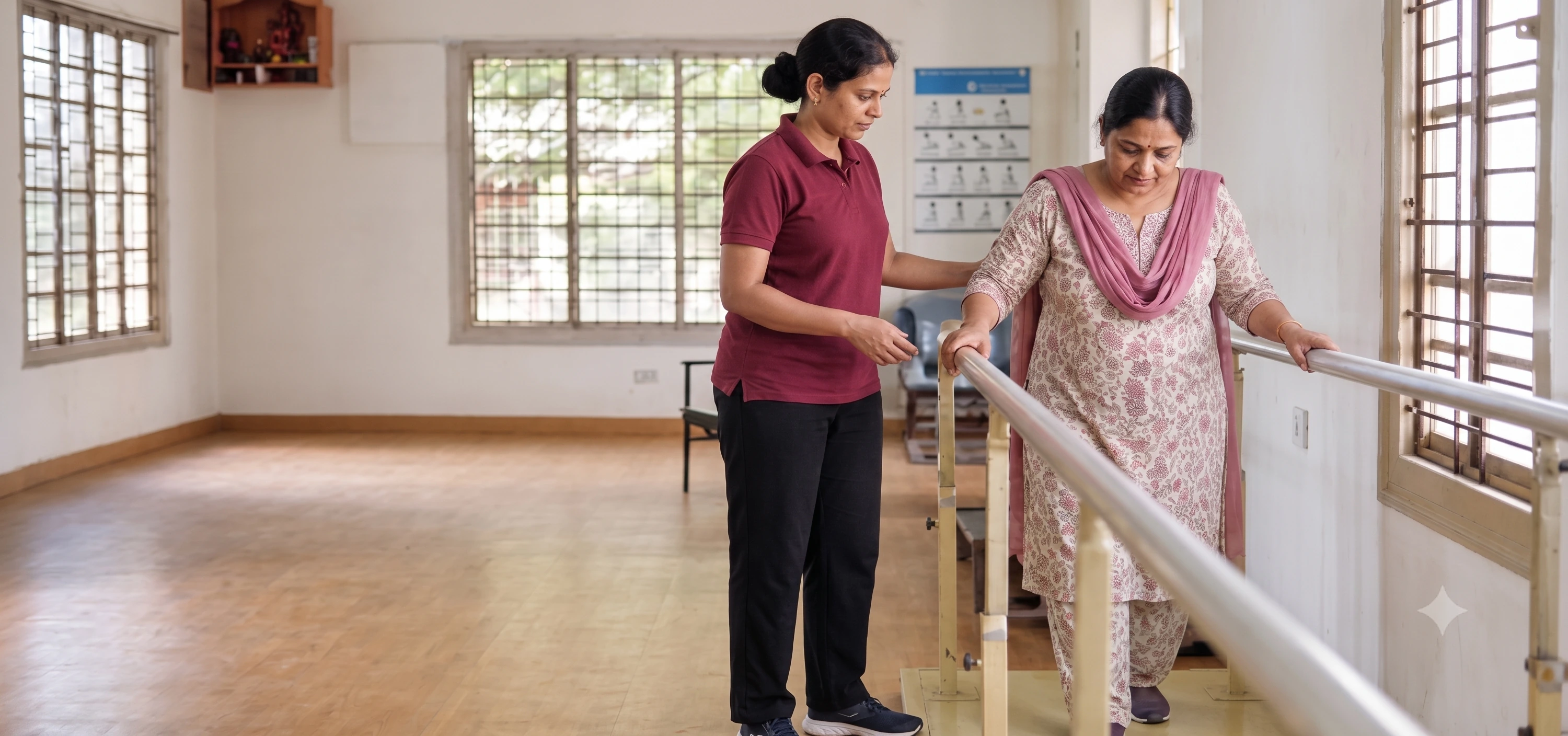
Stroke, nerve injury and balance work, in the clinic and at home.
Return to play, with the load measured each week rather than guessed.
Development, posture and gait in children, worked at a child's pace.
Strength, balance and falls prevention for older patients.
Breathing capacity and endurance after illness or chest surgery.
The full equipment room, and a therapist with you for the whole session rather than between three of you.
For patients who cannot travel yet, with the same assessment and the same written notes as the clinic.
A follow up call to watch you do the exercises and change the plan before the next clinic visit.
If what you have is not on this list, send it anyway. We will tell you if it is not ours to treat.
Interferential current
Electrical stimulation
Mechanical decompression
Hydrocollator
Deep tissue heating
Mobilisation and soft tissue
Graded and progressed
Cold and compression
Machines do part of the work and never all of it. Which of these you get, and for how long, is decided by the assessment rather than by what is free that evening.
Deepa Gowda
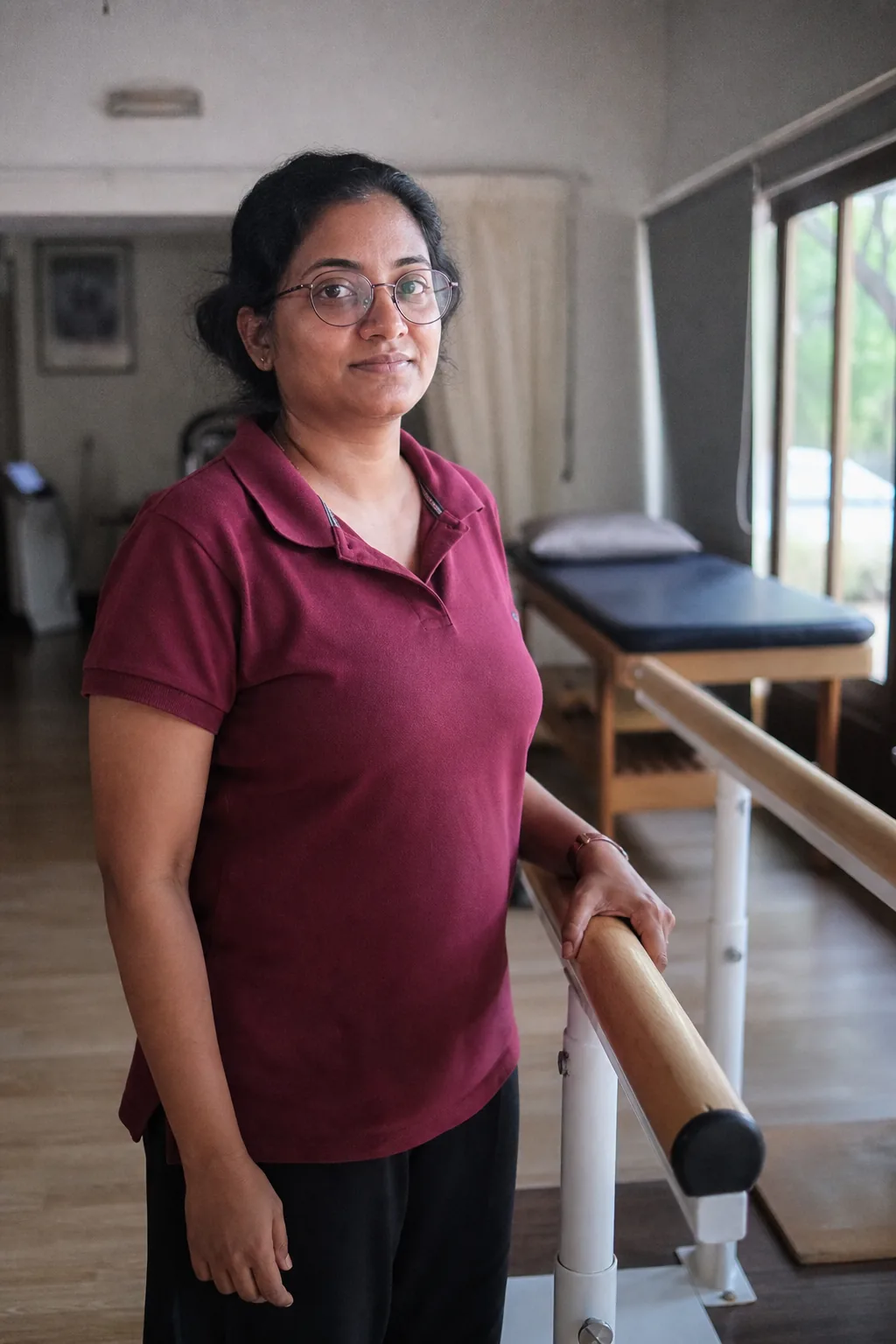
Senior physiotherapist, neurological rehabilitation
Runs the stroke and balance caseload, and most of the home visits.
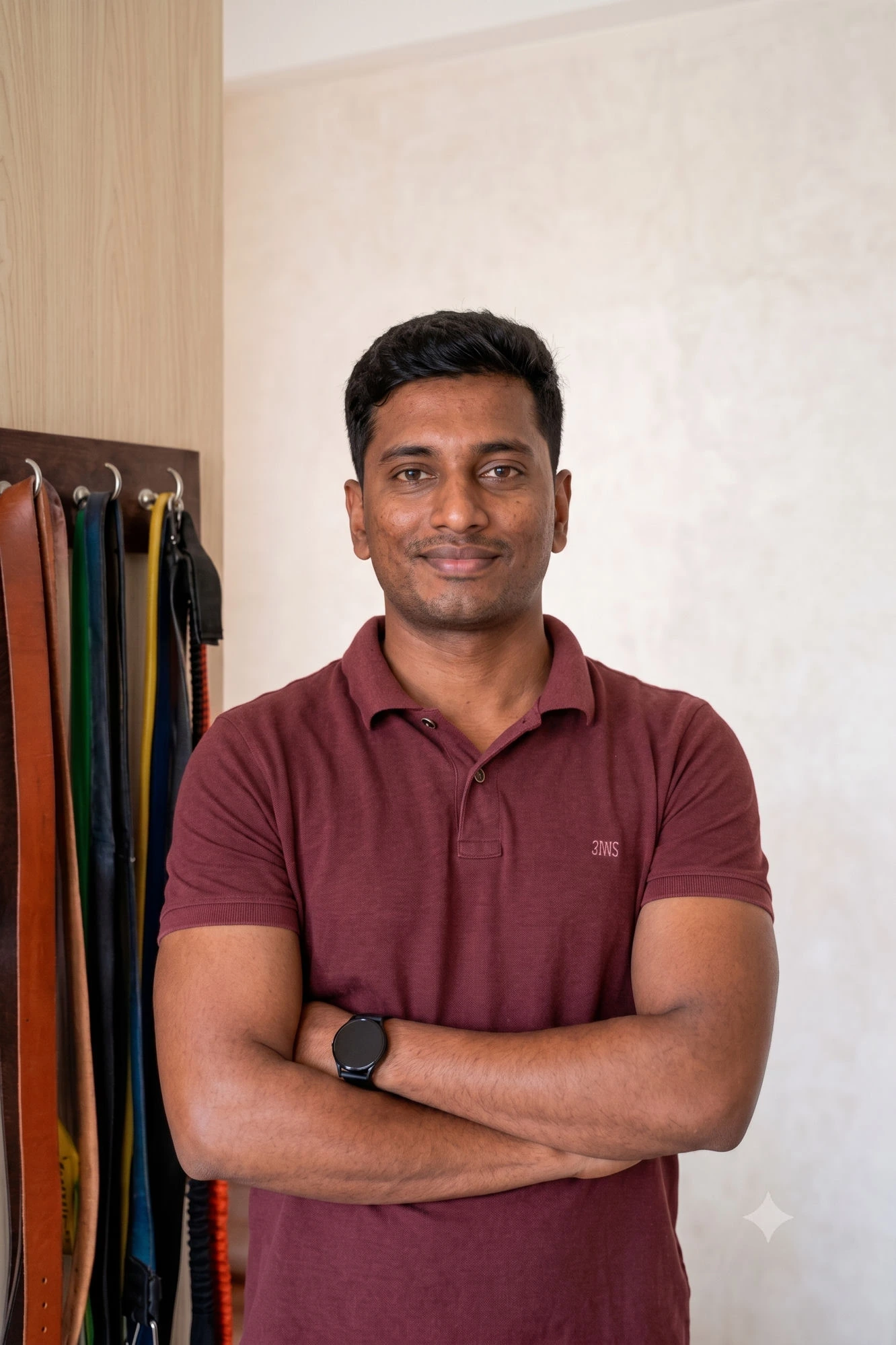
Kiran Shetty
Sports physiotherapist
Handles return to play, and the Saturday morning running injuries.
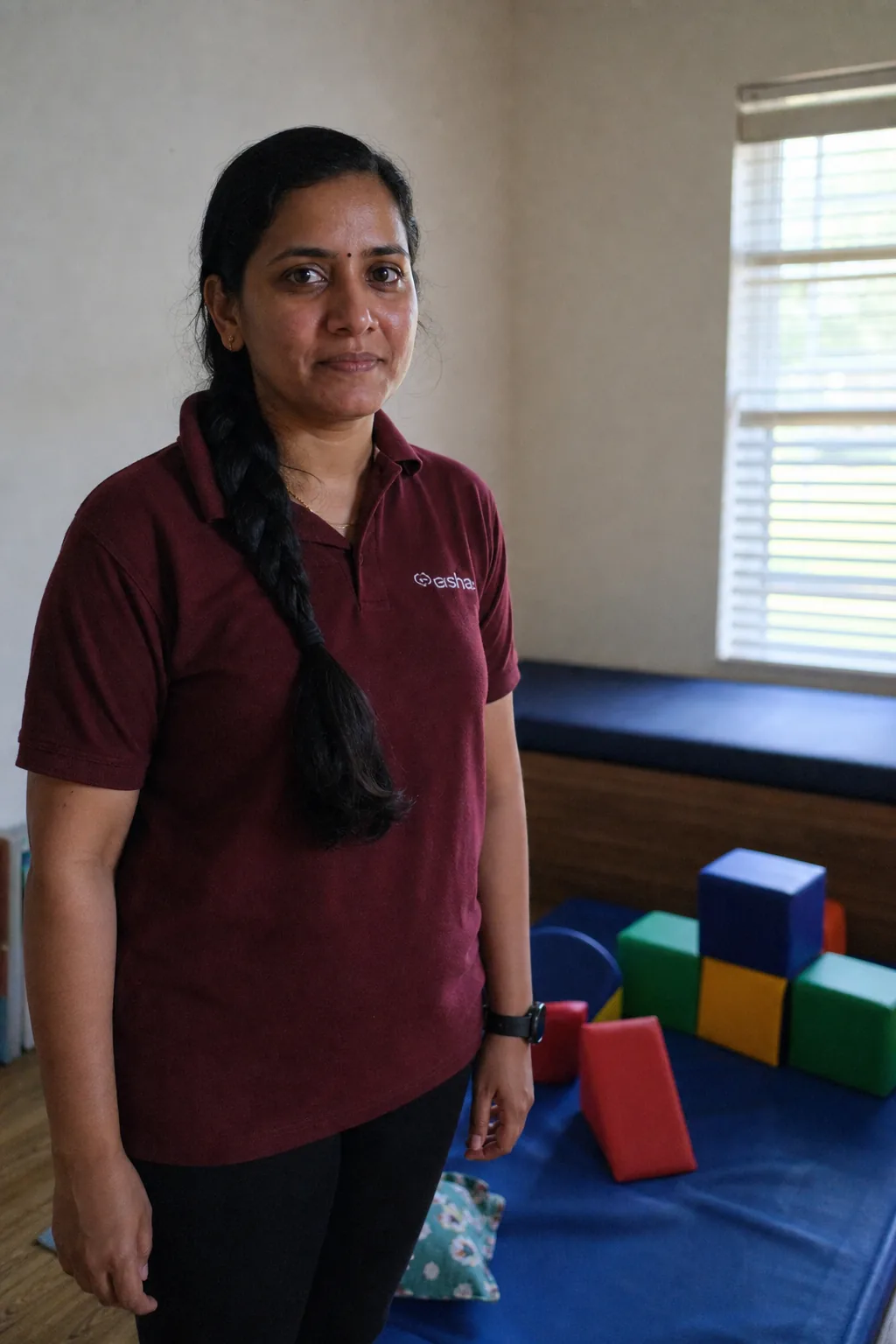
Asha Nayak
Paediatric physiotherapist
Works with children on gait, posture and development delays.
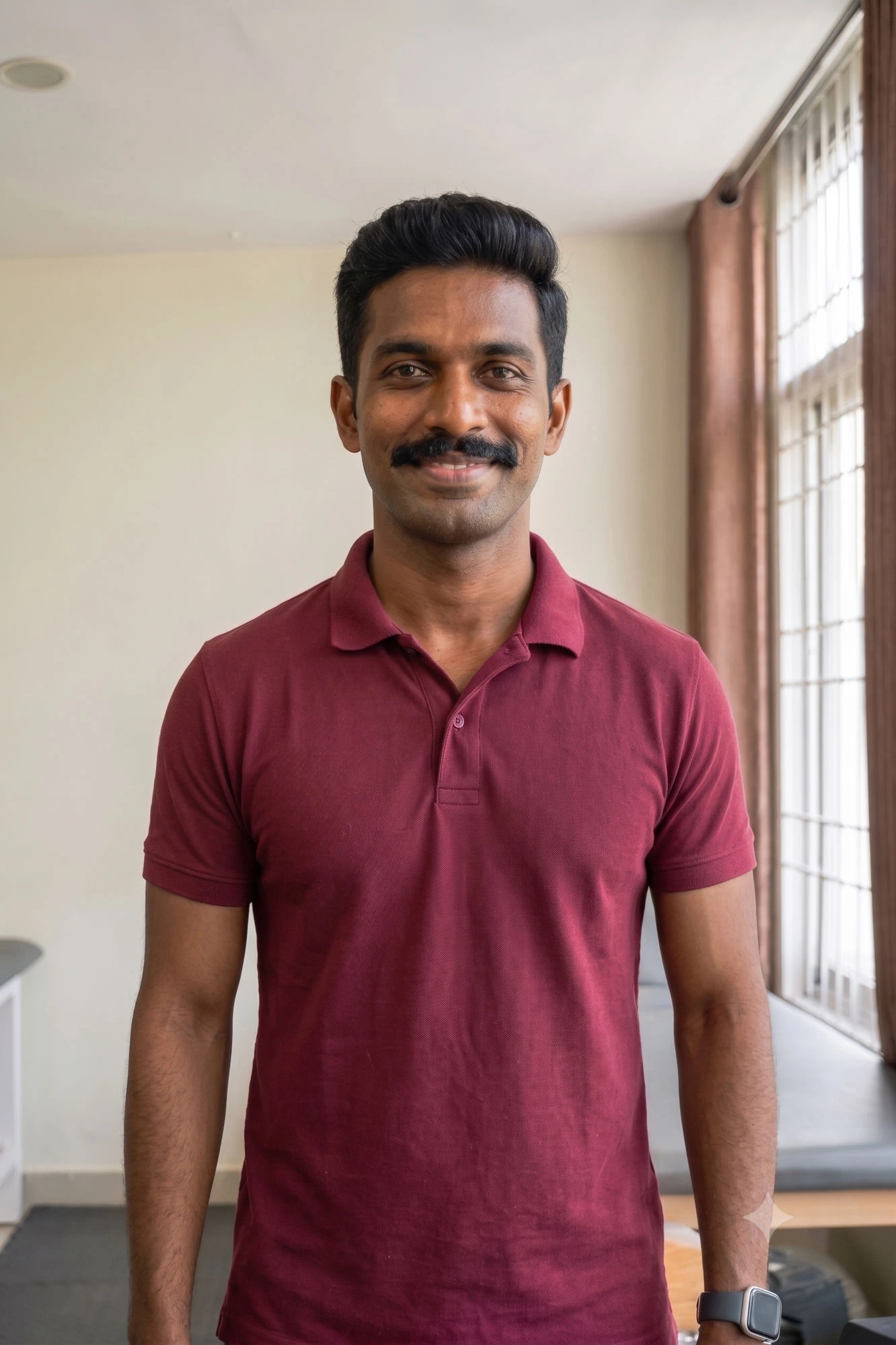
Mahesh Kulkarni
Physiotherapy assistant
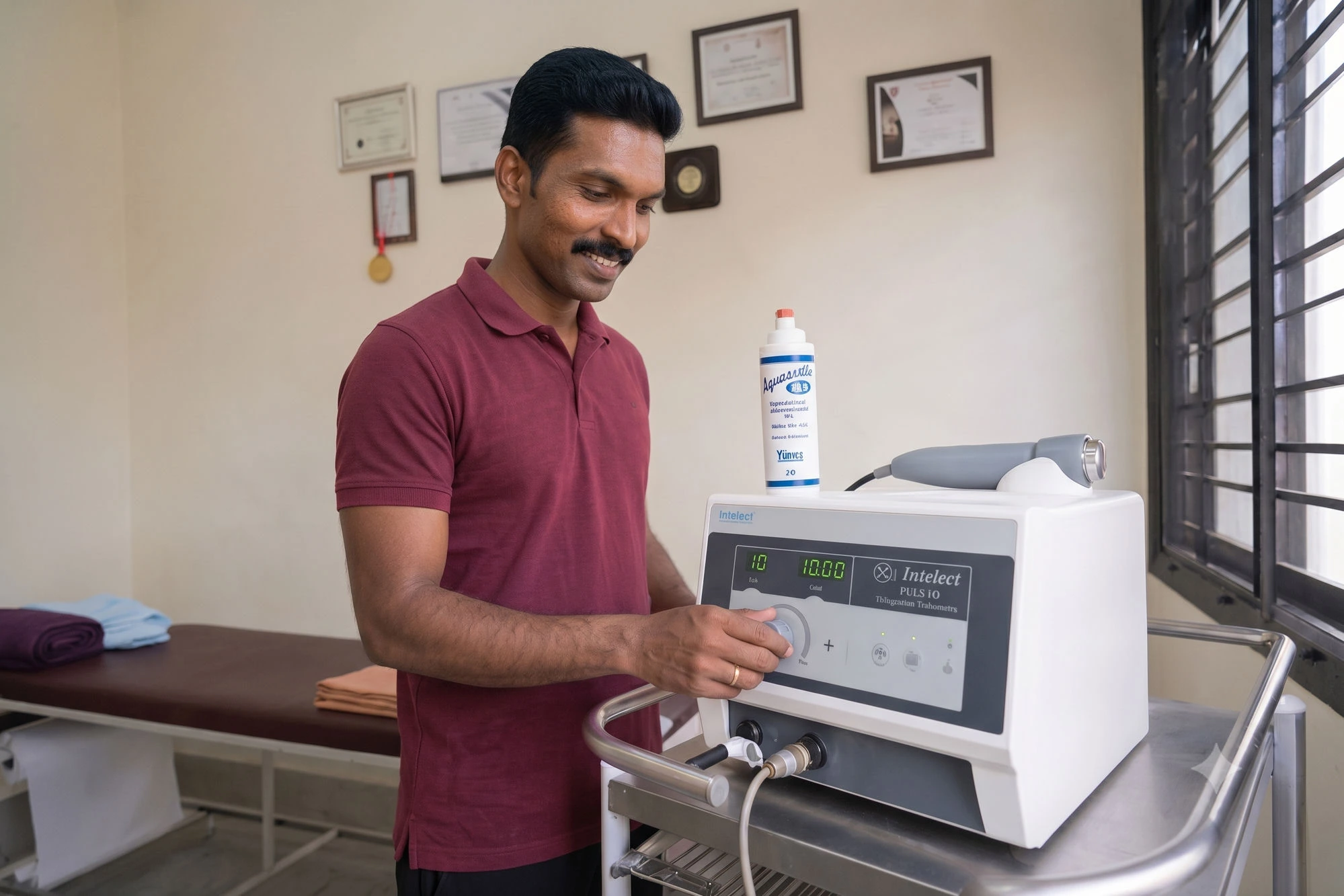
Sets up the machines, and keeps the exercise floor running.
“I came in with a frozen shoulder after eight months of tablets. They measured it on the first day, and showed me the same measurement again in week six.”
“My father had a stroke in March. Deepa came home three times a week and taught the whole family how to help him stand up.”
“Torn hamstring, two weeks before a half marathon. Kiran told me straight that I would not be running it, and had me running again by August.”
“Nobody rushes you out. The session is the full hour, and someone is with you for all of it.”
A first assessment is 800 rupees and runs about an hour. Follow up sessions are 600. A ten session package is 5,000, paid when you start it.
No, you can book directly. If we think you need a scan or an orthopaedic opinion first, we will tell you on day one and send you with a note.
Outpatient physiotherapy is rarely covered, so most patients pay cash or UPI. We give a printed receipt and a treatment summary you can submit yourself.
Sessions run 45 minutes to an hour. Most patients start at three visits a week and drop to one as the measurements improve.
Most musculoskeletal patients notice a change by the fourth or fifth session. Neurological rehabilitation is slower, and we say so at the start rather than at week six.
Anywhere within about eight kilometres of Gokulam, which covers Yadavagiri, Vijayanagar, Saraswathipuram, Jayalakshmipuram and Kuvempunagar.
Two car spaces in front, and room for scooters along the compound wall. The road is one way, so come in from the Kalidasa Road end.
Kannada, English, Hindi and Tamil between the five of us. Malayalam as well if you get Asha.
Loose clothes you can move in. For a knee or an ankle, shorts. For a shoulder, a sleeveless top or a vest under your shirt.
Tell us where it hurts and how long it has been there. Dr Nandan reads the messages himself, and will tell you whether physiotherapy is even the right answer.